


by WorldTribune Staff, July 12, 2026 Non-AI Real World News
The United States is still the world’s top oil producer, a streak it has held since 2018, according to the U.S. Energy Information Administration (EIA).
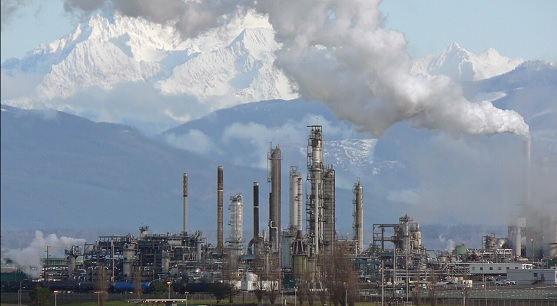
The United States first overtook Russia as the top global oil producer in 2018. / Walter Siegmund / Creative Commons / CC BY 2.5
Output in the U.S. has reached a record-high 13.6 million barrels per day (bpd), the EIA reported. This is roughly 40% higher than the next largest global producers, Russia and Saudi Arabia.
Continued advancements in operational efficiency have allowed drillers to extract far more oil per well than a decade ago. Even with fewer active rigs, U.S. production has surged to record highs, the EIA said.
The U.S. holds highly productive, stacked oil-bearing basins that make extraction highly scalable and cost-effective.
The 13.6 million bpd output breaks the previous U.S. and global production record of 13.2 million bpd set in 2024.
Powered by shale development, the United States has become not only the top crude oil producer “but the largest producer of crude oil ever,” the agency said.
U.S. exports of crude oil and petroleum products hit a record in April, with crude oil exports averaging 5.6 million bpd, 21 percent higher than the previous record from December 2023, the EIA said in a July 8 statement.
The exports of finished petroleum products, including jet fuel and motor gasoline, hit the highest level since December 2024.
“The record-high exports in April 2026 came amid disruptions to energy shipments through the Strait of Hormuz due to the U.S.–Iran war, a development that ended up boosting global demand for American energy,” The Epoch Times reported on Saturday. “Brent crude oil futures had hit a peak of over $126 per barrel in April. Prices have since come down and ended Friday at around $76.”
EIA predicts America’s crude oil production to be close to 13.7 million bpd this year and to rise to 14.2 million bpd in 2027.
In March, the Department of the Interior conducted an oil lease sale in Alaska’s National Petroleum Reserve, the first since 2019.
Secretary of the Interior Doug Burgum said the reserve “was created to support our nation’s energy needs, and this successful sale demonstrates what’s possible when we align responsible development with that original purpose. Revenues from these leases will help bolster local communities, create good‑paying jobs, and ensure that Alaska continues to be a cornerstone of America’s domestic energy production.”
The U.S. Department of Justice has decided to ditch the oil and gas leasing restrictions imposed by the Biden-Harris regime in the Coastal Plain of the Arctic National Wildlife Refuge. Alaska and its industrial development and export authority had filed lawsuits challenging the restrictions.
On July 7, the DOJ said that these restrictions violated federal law and asked the court to dismiss the lawsuits.
U.S. acting Attorney General Todd Blanche said that the prior administration’s actions “improperly limited” Alaska’s energy potential through “unreasonable” regulations. “This settlement supports the Trump Administration’s commitment to secure American energy independence and our national security for generations to come.”
