by WorldTribune Staff, April 24, 2026 Non-AI Real World News
In a New York Times podcast titled "The Rich Don't Play By the Rules. So Why Should I?" Hasan Pike is asked "would you steal from the Louvre?"
Piker responded: "I think it's cool. We've got to get back to cool crimes like that: Bank robberies, stealing priceless artifacts, things of that nature. I feel like that's way cooler than the 7,000th new cryptocurrency scheme that people are engaging in."
[caption id="attachment_155076" align="alignleft" width="400"]
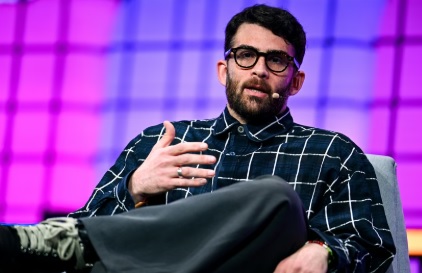
Hasan Piker / Video Image[/caption]
He went on to say he is "pro-stealing" and "pro-piracy" when it comes to corporations.
"I’m pro-stealing from big corporations, because they steal quite a bit more from their own workers," Piker said on the podcast. "However, one thing that might even help your ethical dilemma is the fact that the automated process that they design, these companies know will increase shrink, right?"
He continued, "So it’s actually factored in. The lemons that you stole are factored into the bottom line of these mega-corporations regardless. And they still end up having increased profit margins, because they no longer have to pay the cashiers that they used to hire, as opposed to this automated system, knowing full well that people are still going to be able to steal a lot more efficiently, as a matter of fact, through the automated process."
He also was adamant that the murder of the UnitedHealthcare CEO Brian Thompson was justified.
Who is Hasan Piker?
Reason magazine noted that he is a leftist "Twitch streamer and nephew of The Young Turks' Cenk Uygur, who gave him his start," who needs "to steal to survive."
Piker's "brand of left-wing politics apparently holds that stealing things is fun and cool," Reason added.
For Piker, "theft is justified because the big corporations and the billionaires who own them are evil: They steal from their workers. The precise mechanism of this more appalling act of thievery is left unexplained, of course. In what sense are the owners stealing from people who willingly work there—workers who trade their labor for financial compensation, as part of an entirely consensual exchange? But this is the leftist way of thinking: Paying people for their work is theft, actual theft is retribution."
Piker was joined on the podcast by the New Yorker writer Jia Tolentino, and an editor named Nadja Spiegelman. In the conversation, the panelists endorse and admit to theft (or “microlooting,” as Spiegelman calls it), celebrate looting, and excuse the murder of Thompson.
Writing for
The Free Press on April 24, former New York Times opinion page editor Adam Rubenstein noted: "There are more important things happening in the world than three out-of-touch media figures babbling in a podcast studio in New York. But a New York Times podcast about murder, theft, and looting is worth lingering over. Why? Because it is symptomatic of a deep moral crisis in America, where profoundly antisocial (and criminal!) behavior is put on a pedestal and valorized in our broken media."
Rubenstein was on the Times's opinion page team during the huge blow up at the paper over an op-ed written by Arkansas Republican Sen. Tom Cotton in which the senator advocated for sending in the National Guard during the Antifa/BLM riots during the summer of 2020.
"Disagreement over that article would ultimately lead to my defenestration from the paper," wrote Rubenstein, who traces the startup of The Free Press to the "broken newsroom culture that led to the uproar over the Cotton essay."
Rubenstein continued said the podcast featuring Piker, Tolentino, and Spiegelman "is what moral inversion looks like. The paper that saw it unfit to publish a United States senator on the rule of law now hosts a gleeful conversation about theft, looting, and the murder of a corporate executive and frames it as moral courage. And you can expect no internal revolt, no lengthy review or editor’s note. The point they are making is this: Stealing is laudable if you are stealing from the right people. Maybe even murder, too."
Today we have two must-read essays on this conversation, by Suzy Weiss and River Page. Read them to understand how some of the top voices in the media came to embrace criminality.
Bari Weiss, an opinion writer and editor at The New York Times from 2017 to 2020 who also resigned following the Cotton incident, wrote in her resignation letter:
“If a person’s ideology is in keeping with the new orthodoxy, they and their work remain unscrutinized. Everyone else lives in fear of the digital thunderdome. Op-eds that would have easily been published just two years ago would now get an editor or a writer in serious trouble, if not fired.”
Weiss added: “The paper of record is, more and more, the record of those living in a distant galaxy, one whose concerns are profoundly removed from the lives of most people.”
Rubenstein wrote for The Free Press: "Six years on, the charge stands."
2026 Contract With Our Readers


